Are Solar Batteries Worth It in 2025?
As the world moves steadily toward renewable energy, solar power has become a key solution for homeowners and businesses looking to cut their carbon footprint...

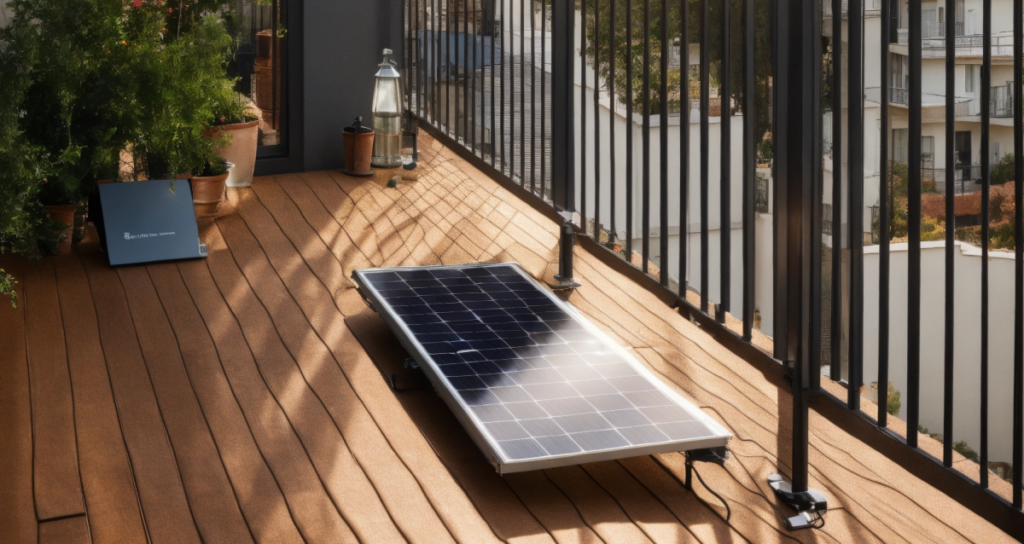
1. What is an All-in-One Off-Grid System?
Let’s be honest: there’s no magic box that looks like one sleek appliance and powers your entire home off-grid forever. The term “all-in-one” usually refers to integrated kits or inverters sold by dealers and distributors—often hybrid or off-grid inverters that combine a solar charge controller, inverter, and sometimes battery management in a single unit. Brands like Growatt, SRNE, EG4, or Sol-Ark make popular ones that simplify wiring and setup compared to piecing everything together yourself.
At its core, an off-grid system means no utility grid connection. Your power comes from solar panels (or wind/hydro if you’re fancy), gets stored in batteries, and is converted to usable AC power when you need it. These setups shine for remote cabins, backup during outages, monitor sites, or full independence in places with unreliable grids—like some rural spots or even typhoon-prone areas.
Why go off-grid?
The catch? It’s like building your own mini power plant. Upfront costs can sting (panels, inverter, batteries add up fast), output depends on sun (cloudy weeks hurt), and you’ll need to maintain it—clean panels, check batteries, etc. If you’re not ready for that, a hybrid system (grid + solar + battery) often makes more sense today.
2. What are the Main System Equipment?
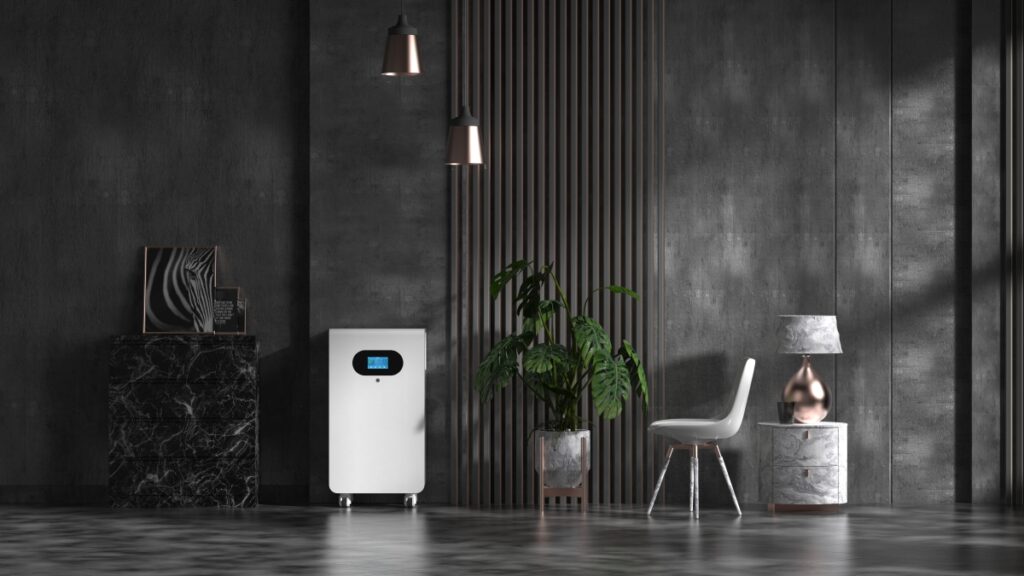
For a solid 48V off-grid setup (most common for homes or larger loads—12V/24V better for small remote sites), here’s what you typically need:
Pro tip: Match voltages (e.g., 48V system for efficiency over long cable runs) and ensure everything is compatible—wrong specs lead to headaches.
3. How to Size a System?
Sizing wrong is the #1 killer of off-grid dreams—too small and you’re rationing power; too big and you wasted money.
Step-by-step real-world approach:
→ Aim for 5–7 kW panels to cover production + recharge. → Inverter: 5–6 kW (with surge capacity for motors). → Batteries: 20+ kWh usable (LiFePO4 at 80–90% DoD → get 22–25 kWh nominal to avoid deep cycling extremes).
Common pitfalls to avoid: Underestimating cloudy days (add 2–3 days autonomy), ignoring inverter efficiency losses, or forgetting future additions (e.g., EV charger). PVWatts is free and gold—plug in your postcode for honest production estimates.
4. DIY or Leave It to a Local Installer?

If you’ve got basic electrical know-how, tools, and patience, DIY is doable for the inverter/battery side—many all-in-one units are plug-and-play-ish with clear manuals. Wiring panels on ground mounts? Manageable.
But roof mounts? Panels are heavy, roofs tricky—hire pros for safety, proper racking, grounding, and code compliance (especially in coastal countries with building regs and typhoon risks). Permits might apply, and bad installs void warranties or cause fires.
Hybrid verdict: Start DIY if small/simple, but get a certified installer for anything roof-mounted or whole-home. Peace of mind > saved dollars.
5. Final Thoughts
Off-grid sounds great—total freedom from the utility. But in practice, most people we talk to end up with hybrids: grid for stability, solar/batteries for backup, arbitrage (charge cheap, use expensive), and resilience during outages.
We get asked for install videos and manuals all the time, but we’re focused on battery production—so our advice stops at helping you choose reliable LiFePO4 packs. If you’re serious, start small: audit your loads, run PVWatts numbers, talk to local dealers. Energy independence is achievable, but it rewards planning over impulse.
What do you think—ready to cut the cord, or sticking with hybrid for now?
 by
by